You bought an expensive shelter, took it out three times, and now it leaks like a sieve. You probably think you got ripped off. The truth is harsher – you likely neglected the gear or treated it like a plastic bag that stays waterproof forever. It doesn’t. Whether you have a modern ultralight setup or a heavy-duty canvas tent, the physics of water and the chemistry of coatings are working against you from day one.

Why your gear is actually falling apart
Fabric doesn’t just “fail” – it gets murdered. The primary killer is UV radiation. It cooks the chemical bonds in the coatings. The second killer is dirt. Every time you fold a dirty tent, microscopic particles of grit act like sandpaper, grinding away the waterproof barriers. If you see white flakes on the floor or if the fabric feels sticky, you are looking at hydrolysis – the chemical breakdown of the polyurethane (PU) layer. Once this starts, your tent is on a countdown to the landfill.
Scrub the dirt off first – or don’t bother
You cannot fix a tent that is covered in trail dust. Applying a new waterproof layer over dirt is a waste of money because the sealant will bond to the dust, not the fibers. When the dust falls off, so does your protection.
- Use a sponge and a specific technical gear cleaner.
- Avoid standard laundry detergents at all costs – they contain surfactants that actually help water penetrate the fabric.
- Never, and I mean never, put a tent in a washing machine. The agitation will delaminate the coatings faster than a hurricane would.
- Dry it completely in the shade. Direct sun during the drying process just adds more UV damage.
Plugging the holes in your seams
Every seam is a line of thousands of needle holes. Factory seam tape is great, but it eventually gets brittle and peels off. If you see the tape lifting, pull it off. It’s useless now.
- Cleaning the area: Use a rag with a bit of isopropyl alcohol to strip oils and old residue.
- Picking the right poison: If your tent is PU-coated, use a water-based sealer like Seam Grip +WP. If it’s a silicone-treated fabric (common in high-end ultralight gear), you must use a silicone-specific sealer. They are not cross-compatible. Silicone will not stick to anything but silicone.
- Technique: Apply a thin, invisible bead on the inside of the seam. If you glob it on, it will crack and peel when you fold the tent.
Reviving the floor: the urethane rebuild
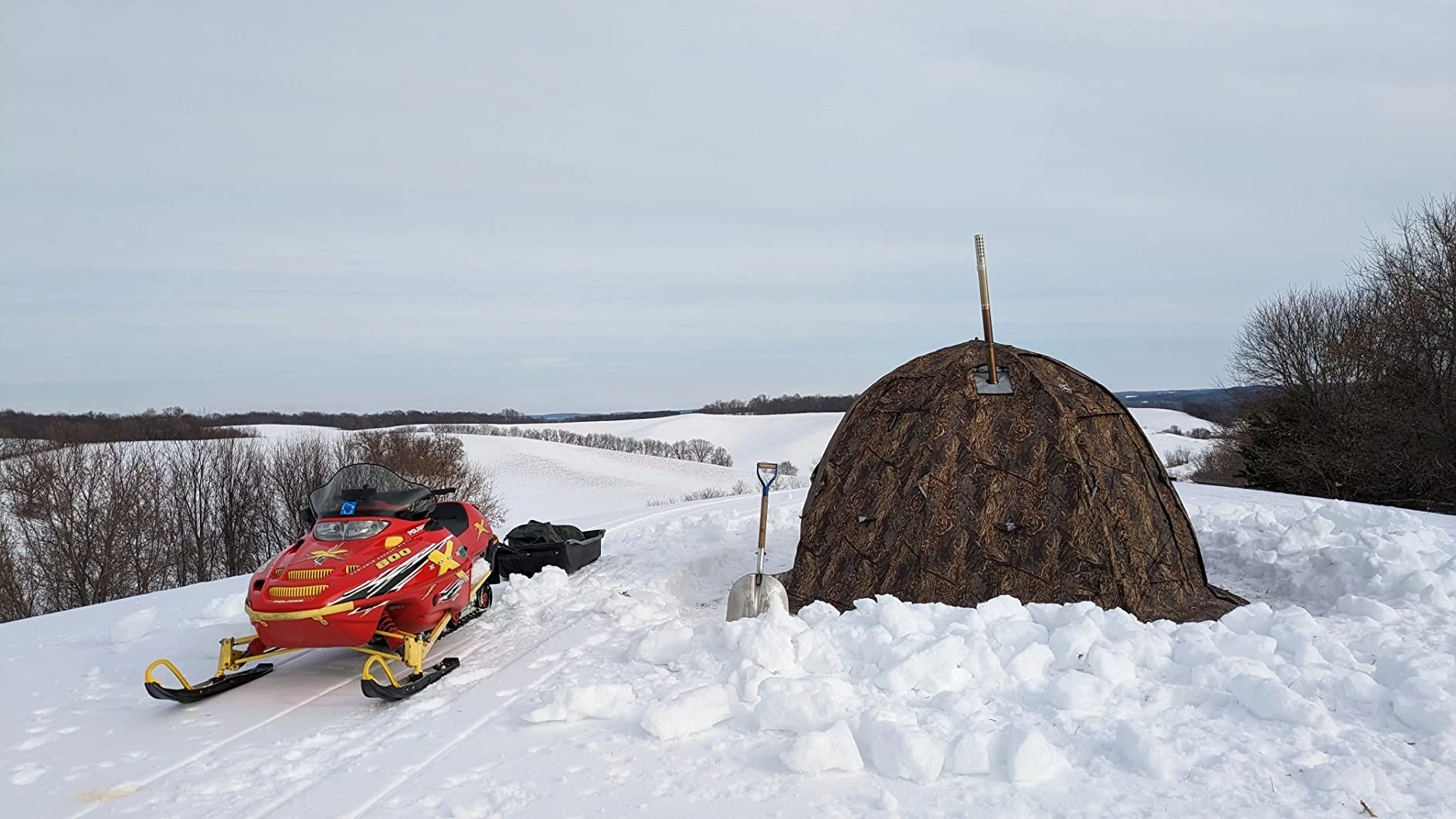
The floor takes the most abuse. You’re kneeling on it, your gear is rubbing against it, and ground moisture is constantly pressing against it. This is where you need maximum protection, especially in a 4 season canvas tent used in snow or mud.
- If the floor feels tacky or smells like vinegar, scrub the failing areas with a brush and alcohol.
- Apply a new urethane coating in thin layers.
- Give it 24 hours to cure in a low-humidity environment. If you rush this and pack it while it’s still tacky, the tent will glue itself shut, and you’ll rip the fabric trying to open it.
DWR: the first line of defense
DWR (Durable Water Repellent) is what makes water bead up and roll off the outside. It is not the “waterproofing” – the internal coating does that. However, if the DWR fails, the fabric “wets out.” This means the outer layer gets soaked and heavy. The real danger of wetting out is condensation. When the outer fabric is saturated, it stops breathing. Your breath condenses on the cold inside wall, drips onto your sleeping bag, and you think the tent is leaking. It’s not – you’re just drowning in your own moisture.
- Spray the exterior flysheet evenly while it’s slightly damp.
- Wipe off the excess with a clean cloth. You don’t want splotches.
The “Weathering” trick for canvas
If you own a canvas tent, you have a unique advantage. High-quality canvas uses the fibers themselves as a mechanical seal. Before your first trip, set it up and soak it with a hose. The cotton fibers will absorb water, swell up, and close the gaps in the weave. When it dries, the fibers “set” in this tighter configuration. Doing this twice is more effective than any spray-on chemical for traditional canvas gear.
Storage: where tents go to die
The fastest way to ruin a 4-season canvas tent is to store it damp “just for a few days.” This triggers mildew and hydrolysis. Mildew isn’t just a smell – it’s a fungus that eats the fabric. If you get home and it’s raining, hang the tent in your garage or over chairs in your living room. It must be bone-dry before it goes into its storage bag.