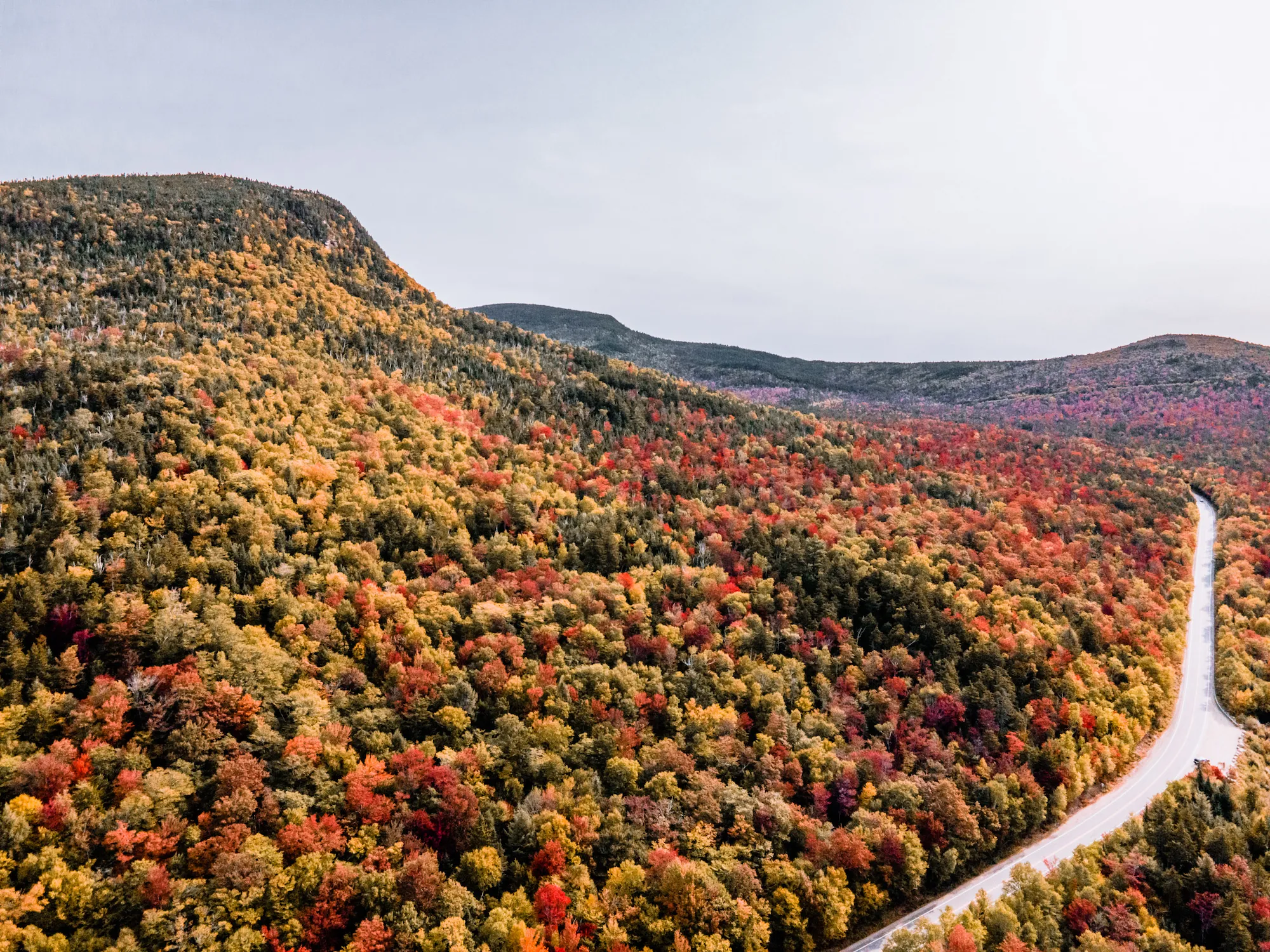
There’s something persuasive about a winding road disappearing into the horizon. It invites not just movement, but independence, the kind that’s rare in everyday life. For many, this impulsiveness is necessary. The structured routines of work and modern life leave little space for improvisation. In contrast, on the road there’s room to make decisions by feel: to take a left turn because the trees look denser that way, or to stop because the sun hits an abandoned sign just right.
There’s also the quiet that comes with it. Not silence, exactly, but a kind of mental space that widens with each passing mile. As the miles build, obligations fade into the rearview mirror. The mind begins to settle. Every curve suggests an option. Every roadside stop offers a choice. And for those who crave the unknown, few things are more valuable than that.
Reclaiming Control Over Time
Schedules often dictate life: deadlines, appointments, even vacations packed with back-to-back activities. On a spontaneous getaway, that urgency fades. You decide how long to stay, when to move on, and what pace feels OK.
Unscripted travel brings a different kind of satisfaction. You might pause in a small town café simply because the coffee smells rich and the conversation sounds genuine. Or veer off-course to follow a hand-painted sign promising fresh peaches.
A loose approach allows for choices that structured trips don’t:
- Spend the night where the stars feel closer.
- Explore a roadside attraction you’d otherwise drive past.
- Take the long way just because it looks more interesting.
Freedom lies not in how far you go, but how you choose to spend the moments between. A scenic detour becomes the day’s highlight, while a local’s tip leads to a hidden trail or a swimming hole.
Letting the Road Lead You
Not knowing what comes next can feel unsettling, but once you stop trying to control every turn, something shifts. The need for precision fades. In its place, curiosity grows. You learn to listen to instinct, to follow what feels correct rather than what was scheduled.
Picture this: You take a random left, no particular goal in mind. Ten minutes later, a faded sign catches your eye. It leads to a worn-down diner with a rusted neon light and a menu that hasn’t changed in decades. Inside, a few locals swap stories over black coffee. No crowds, no waiting lists. Just a slice of pie and a view of an empty two-lane highway stretching toward the hills.
You wouldn’t have found that on an itinerary. And that’s the point. When you lean into uncertainty, the road returns something real. And often, that’s enough.
The Essentials: Planning for the Unplanned


Spontaneity doesn’t mean going unprepared. If anything, freedom depends on how well you equip yourself before you leave. The fewer things you have to worry about later, the more freely you can move. Start with what you bring. Pack light, but pack smart. Prioritize items that serve more than one purpose, think compact cookware, weather-appropriate layers, and a sturdy flashlight. Even if you don’t know where you’ll sleep, having the basics covered gives you options.
Consider using a luxury camping van if you want flexibility without giving up comfort. It removes the need to search for lodging each night and lets you stop anywhere you want: an open meadow, a beach path, or a shaded pull-off with a view.
A few essentials to keep your plans loose but your footing solid:
- Download offline maps through reliable navigation apps.
- Keep a backup power source for your phone or GPS.
- Carry enough food and water to last at least 24 hours.
- Bring a physical road atlas, just in case.
- Store basic tools, a first aid kit, and emergency supplies in an easy-to-reach spot.
Maintain a loose framework: know the general direction you’d like to head, and keep track of fuel stops. Built in space to turn around, take detours, or stay longer somewhere that surprises you. You won’t need to overthink each move when you’ve already cleared the way for whatever comes next.
A Sample Itinerary to Spark Your Own
Think of this as a loose suggestion, not a checklist. A few good ideas, strung together, can kick off a memorable trip. But don’t cling to it; half the reward comes from letting your own route take shape as you go.
Here’s a flexible 3-day outline through Oregon that’s varied, scenic, and full of surprises:
- Day 1: Start in Bend → Cruise the Cascade Lakes Scenic Byway → Pause at Sparks Lake for lunch and views → Set up camp near Elk Lake under tall pines.
- Day 2: Head west toward Eugene → Catch golden hour at Sweet Creek Falls → Stay in a roadside cabin or sleep by the river.
- Day 3: Take Route 126 to the coast → Stop at Florence for fresh seafood and local shops → Wander the dunes or visit Heceta Head Lighthouse → End the day parked above the Pacific, no agenda for what’s next.
Of course, the same sense of open-ended freedom runs through the red rock curves of Utah’s Scenic Byway 12 or California’s Big Sur coast, and many more. Let this itinerary guide your first few turns, then let instinct take the wheel. If a dirt path looks promising or a local tip points you off course, follow it. The most vivid memories rarely follow the original plan.
Ready to Roll?
The road waits: open, and full of possibility. Some days might bring flat tires or unexpected detours. Others will gift you with unmarked trails, silent mornings, or conversations you never saw coming. Each twist adds something: a story, a memory, a shift in perspective. Give yourself permission to step away from the usual and follow whatever direction. Let uncertainty sharpen your senses. Let the stretch of highway clear your thoughts.
And if you’re still wondering whether to go, ask yourself: when was the last time you did something just to see where it might lead?